June 14, 2026
The Pelvic Floor Conversation No One Is Having With You
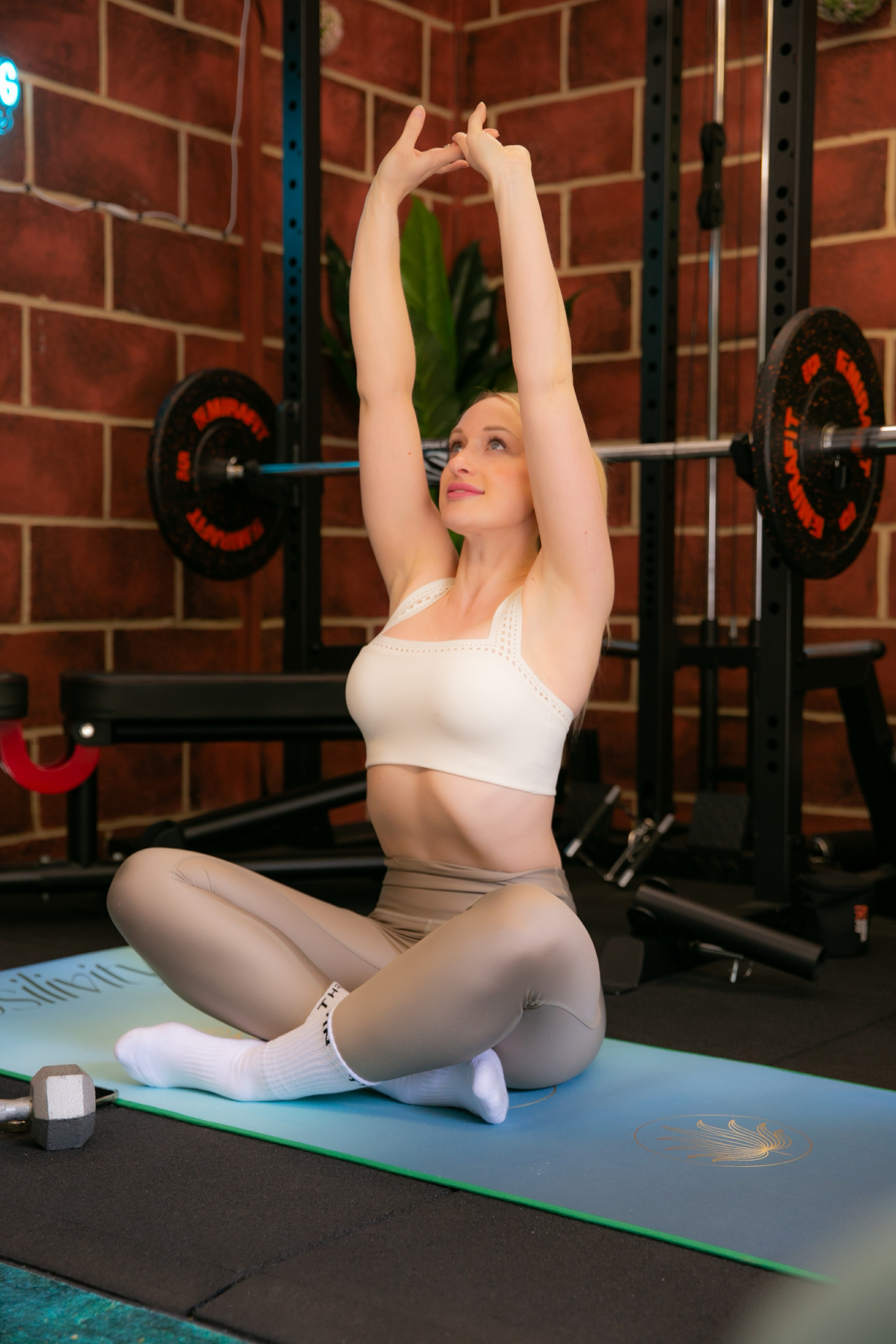
There is a conversation about the female body that almost no one starts with you, and the pelvic floor sits right at the centre of it.
If you have ever crossed your legs before a sneeze, skipped a trampoline session with the kids, leaked a little on a run, felt heaviness 'down there' by the end of a long day, or noticed your core just does not feel the same in your 40s as it did in your 20s, you are not alone, and it is not just in your head.
The pelvic floor is the quiet workhorse of the female body. It is a hammock of muscles slung between the pubic bone and the tailbone, supporting the bladder, bowel and uterus, stabilising the spine and pelvis, and working in partnership with the deep core and the diaphragm. When it is doing its job well, you barely notice it. When it is not, life starts to bend around it in ways most women never name out loud.
It is not just a postnatal issue
Pelvic floor health gets boxed off as something that matters in the weeks after a baby and then is forgotten. The truth is that it shifts across the whole of adult life. Pregnancy and birth are one chapter. Heavy lifting at work or the gym is another. Chronic constipation, chronic coughing, high impact sport, long hours sitting, and the hormonal changes of perimenopause and menopause all play a part too.
The NHS estimates that around one in three women in the UK will experience urinary incontinence at some point, and the Royal College of Obstetricians and Gynaecologists notes that pelvic floor dysfunction, including prolapse, affects a significant proportion of women, particularly from their 40s onwards. Many never seek help because they assume it is just part of being a woman. It is common. It is not normal. And much of it is treatable.
What changes in your 30s, 40s and into perimenopause
Oestrogen plays a direct role in the strength and elasticity of pelvic floor and vaginal tissues. As oestrogen begins to fluctuate and decline through perimenopause, those tissues can become thinner and less resilient. Combine that with years of postural habits, the cumulative load of pregnancies, busy work and parenting years, and you have a recipe for symptoms creeping in quietly.
Common signs to listen out for include leaking when you sneeze, cough, run or jump, urgency or going to the loo more than expected, feeling of heaviness or dragging in the pelvis, lower back or hip pain that does not settle, pain or discomfort with intimacy, and a core that just does not feel connected anymore. None of these mean something is broken. They mean your body is asking for attention.
It is not just about kegels
The instinct, especially online, is to throw kegels at the problem. Squeeze, lift, hold, repeat. The reality is more nuanced. A pelvic floor that is too tight can cause just as many issues as one that is too weak, and squeezing harder on top of tension can actually make symptoms worse.
A healthy pelvic floor lifts when you need it to and lets go when you do not. It works in rhythm with your breath, your deep core and your glutes. That coordination is the bit that gets lost over years of holding your stomach in, breath holding under stress, bracing through workouts, or simply never being taught what good function feels like.
Where to start, gently
You do not need to overhaul anything. A few small shifts make a meaningful difference.
Breathe into your ribs and belly rather than holding your stomach pulled in all day. On the inhale, let everything soften and expand. On the exhale, notice a quiet, natural lift through the pelvic floor as the belly draws in. That is the rhythm you are trying to rebuild.
Practise both the squeeze and the release. A useful starting point is ten slow lifts, holding for a few seconds, then fully relaxing for the same amount of time, followed by ten quick lifts and releases. Done twice a day, with quality rather than force. The release matters as much as the contraction.
Train your whole system, not just your pelvic floor in isolation. Squats, hinges, glute work, walking, breathwork and managing your load through impact activities all support pelvic floor function. Strength training in midlife is one of the most pelvic floor friendly things you can do, when it is built with good technique and progressive load.
Look at your daily habits. How you sit on the loo, whether you hover or rush, how often you hold your breath under stress, how you lift the shopping or a toddler, how much you walk and how you breathe while you do all of it. These small everyday patterns shape pelvic health far more than any single exercise.
When to ask for help
If you have ongoing leaking, heaviness, pain, or symptoms that are limiting what you do, please do not just live with it. The NHS offers pelvic health physiotherapy, and you can self refer in many areas. A specialist women's health physiotherapist can assess what is actually happening, rather than guessing, and give you a plan that fits your body and your life.
You deserve to run, jump, lift, laugh and sneeze without bracing for what might happen next. That is not too much to ask for in your 30s, 40s or 50s. It is what your body is designed to do, with the right support.
Summary
The pelvic floor is not just a postnatal issue. It shifts through the demands of daily life, hormonal changes, and how you move, breathe and train. Most symptoms are common but not normal, and most respond to a combination of breathwork, full body strength, daily habit changes, and, when needed, specialist pelvic health physiotherapy.
This article is for general information and is not medical advice. If you have ongoing pelvic floor symptoms, please speak to your GP or a pelvic health physiotherapist.