January 4, 2026
Iron Absorption in Women: Why it Matters, Especially in Your 30s and Beyond
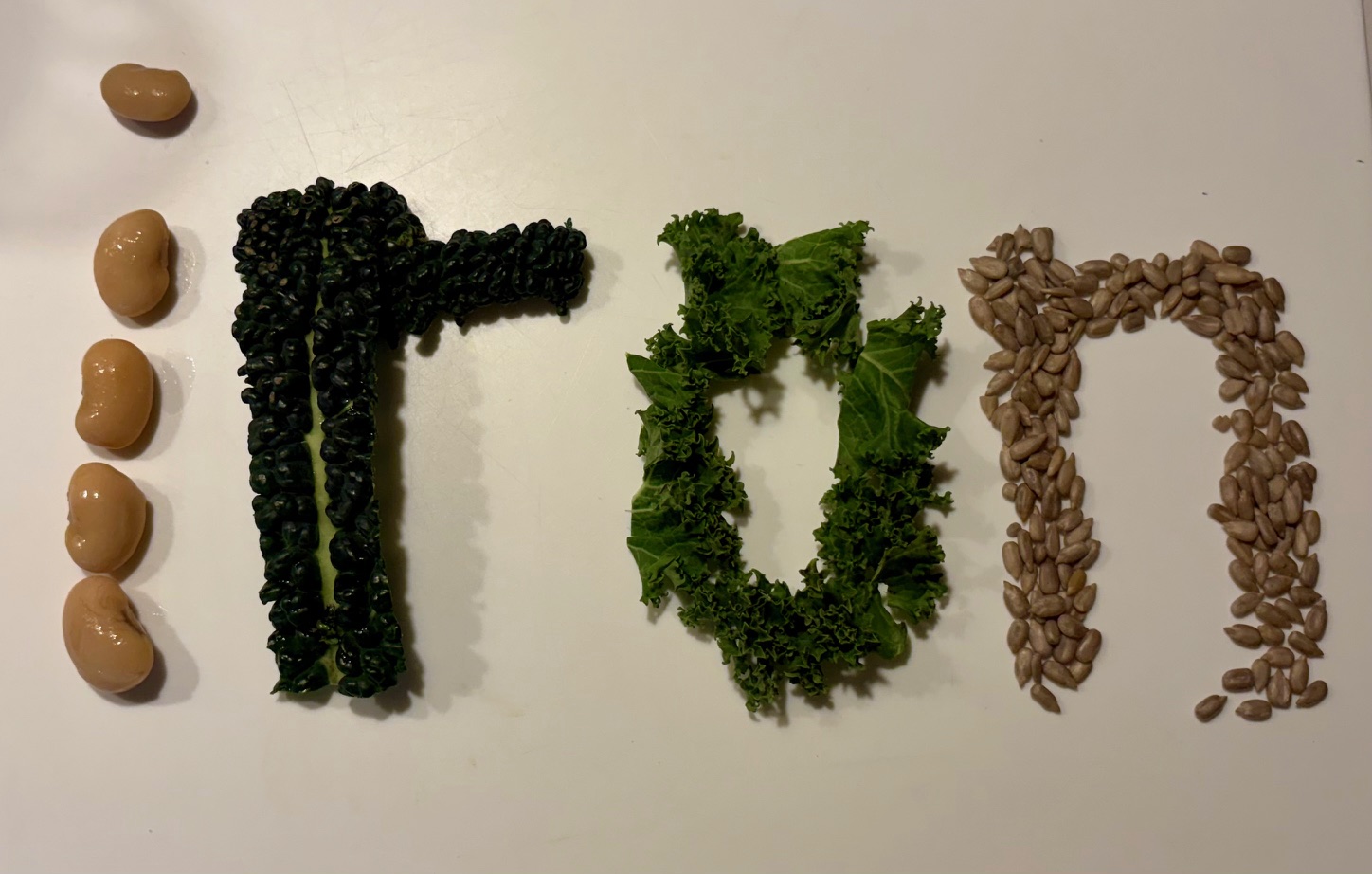
Iron deficiency is one of the most common and under-recognised issues affecting women, particularly during the postnatal period and in midlife.
Low iron or iron deficiency results in symptoms such as fatigue, breathlessness, brain fog, dizziness, low mood, poor exercise recovery. Sounds like common symptoms right?
Our iron intake is not just about how much we consume, it's also about absorption and usage in the body.
Why is iron so important?
Iron is an essential mineral, most well-known for its role in haemoglobin, the protein carrying oxygen in your blood. Without enough iron, oxygen delivery drops. Muscles fatigue faster. Recovery slows. Concentration dips.
Iron is also involved in:
- Energy production (at a cellular level)
- Immune function
- Neurotransmitter production
- Thyroid hormone metabolism
So when iron is low, the effects are not subtle.
You can eat plenty of iron and still be deficient
That's down to absorption which is influenced by a number of factors:
- The type of iron you eat
- What you eat it with
- Gut health
- Hormonal Status
- Inflammation and Stress
Two forms of dietary iron
Heme iron – found in animal products like red meat, poultry and fish
Non-heme iron – found in plant foods like legumes, leafy greens, nuts, seeds. This is absorbed less efficiently
Supporting iron absorption
- Vitamin C! This is a biggy, it's the most powerful enhancer of non-heme iron absorption. Pair plant-based iron sources with vitamin C-rich foods (like fruit) to boost absorption
- Cooking breaks down compounds that inhibit absorption
- Evidence has shown cast iron cookware can modestly increase iron content of food
Blocking iron absorption
- Tea contains tannins, plant compounds that can inhibit the absorption of key nutrients, especially iron. Having your morning brew alongside iron-rich foods (like fortified cereals) or your supplements may reduce iron absorption by up to 70%.
- Calcium competes with iron for absorption. Reduce dairy consumption or supplements with iron-rich meals
- Phytates, present in whole grains, legumes, and seeds can also bind iron. Soaking, fermenting or sprouting reduces this effect.
Exercise and Iron
Active women have higher iron demands. Exercise increases iron turnover through:
- Red blood cell breakdown
- Sweat losses
- Gastrointestinal micro-bleeding in high-impact activity
Strength training is protective but endurance and high-volume training increase deficiency risk.
Iron deficiency after pregnancy
This is common in the postnatal period due to blood loss during and post birth, increased nutritional demands, breastfeeding and disrupted eating patterns.
Iron and Midlife
Some women experience heavier or more frequent periods in perimenopause increasing iron losses. Others see periods becoming lighter or irregular which can lead to iron accumulation over time.
Add in changes in gut function, increased inflammation, higher stress levels, altered hormones, and absorption becomes less predictable.
Best Food Sources
- Red meat, poultry, fish
- Eggs
- Lentils, chickpeas, beans
- Tofu, tempeh
- Spinach, kale, chard
- Pumpkin seeds, sesame seeds
Key Takeaway
For postnatal and midlife women, understanding iron can be the difference between feeling permanently depleted and training with energy and confidence.
If fatigue, poor recovery or breathlessness persist despite good nutrition and consistent training, increase your natural iron food sources and talk to your doctor about a blood test.