January 18, 2026
Functional Training for Midlife Women
And How to Do it at Home
Midlife is not a physical decline. It is a transition. The problem starts when many women are still offered exercise advice designed for either younger bodies or aesthetic goals that no longer match their physiology, priorities or risk profile.
Functional training is not a trend, or a class or a buzzword. It is a way of training that supports how the body actually moves in daily life. For women in their 30s, 40s and beyond, this makes it one of the most practical and protective forms of exercise available.
What 'functional' really means
Functional training focuses on movements rather than isolating muscles. The aim is not to exhaust a body part but to improve coordination, strength, balance and resilience across the whole system.
Think of everyday tasks like carrying your shopping bags home from the shops, lifting a suitcase, getting up from playing with kids on the floor, climbing the stairs, stabilising yourself if you trip. Functional training prepares the body for these demands by practising similar movement patterns.
This matters more as hormones change. During perimenopause and menopause, women experience a gradual loss of muscle mass, bone density and connective tissue elasticity. Reaction time slows and joint stiffness increases. Balance becomes less reliable. Training that ignores these changes increases injury risk. Training that works with them builds confidence and capacity.
Why midlife women benefit specifically
Functional training addresses the things that matter most at this stage of life.
- It supports joint health by strengthening muscles around the hips, knees, shoulders, and spine rather than stressing them.
- It improves balance reducing fall risk which is a major cause of injury in later life.
- It preserves muscle and bone through weight-bearing and multi-joint movements.
- It corresponds directly with real life. Progress is not measured by how you look but by how capable you feel in everyday activities.
You do not need a gym
One of the strengths of functional training is that it doesn't require huge amounts of equipment. Your body weight, a chair, a wall and a small amount of space are enough to create a useful functional workout.
Key functional exercises for home training
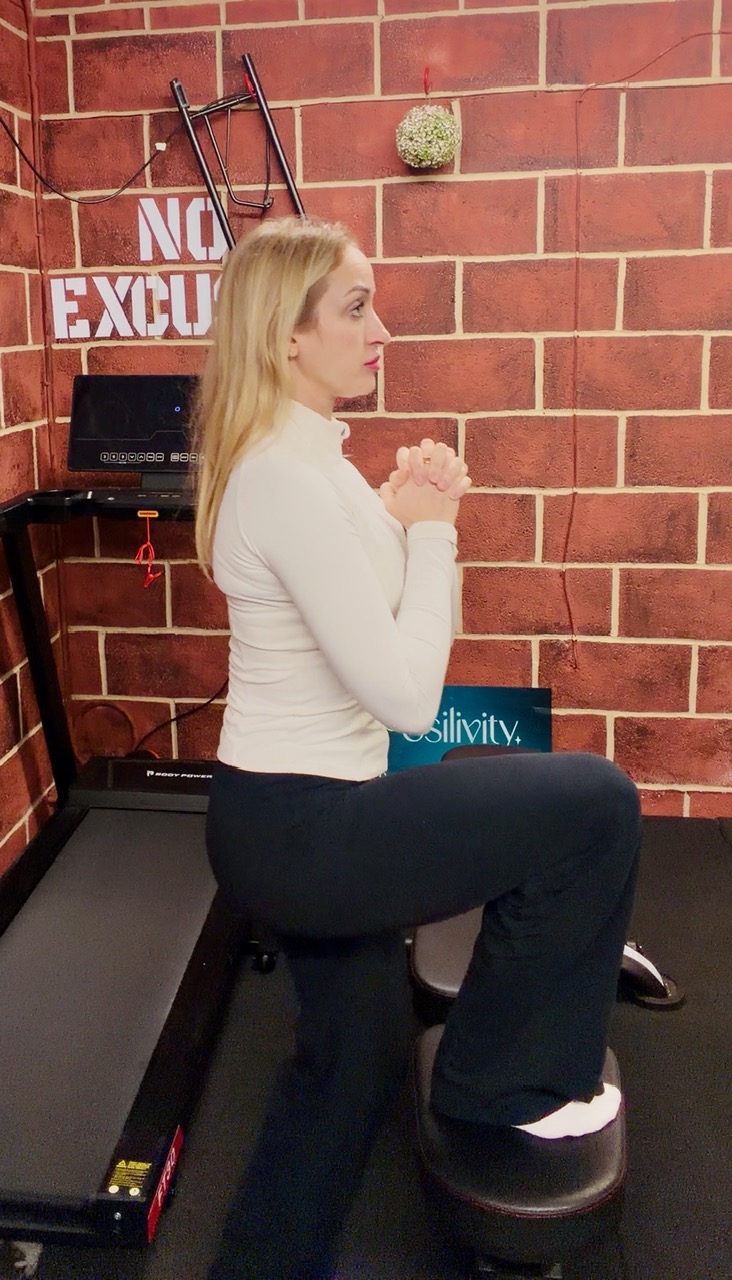
Squat Patterns
Sit-to-stand from a chair or standard bodyweight squats build lower-body strength essential for stairs, getting out of cars, and standing from the floor.
Hinge Patterns
Hip hinges like deadlifts could be done with as little as a loaded backpack. These protect the lower back during lifting tasks.
Push Movements
Wall push-ups, modified or standard push ups improve upper-body strength needed for pushing doors open and getting up from the floor.
Pull Movements
Row movements with a resistance band strengthen the back and improve posture, counteracting long hours spent sitting or using screens.
Carry Exercises
Farmer carries with shopping bags train grip strength, core stability and shoulder endurance.
Balance Work
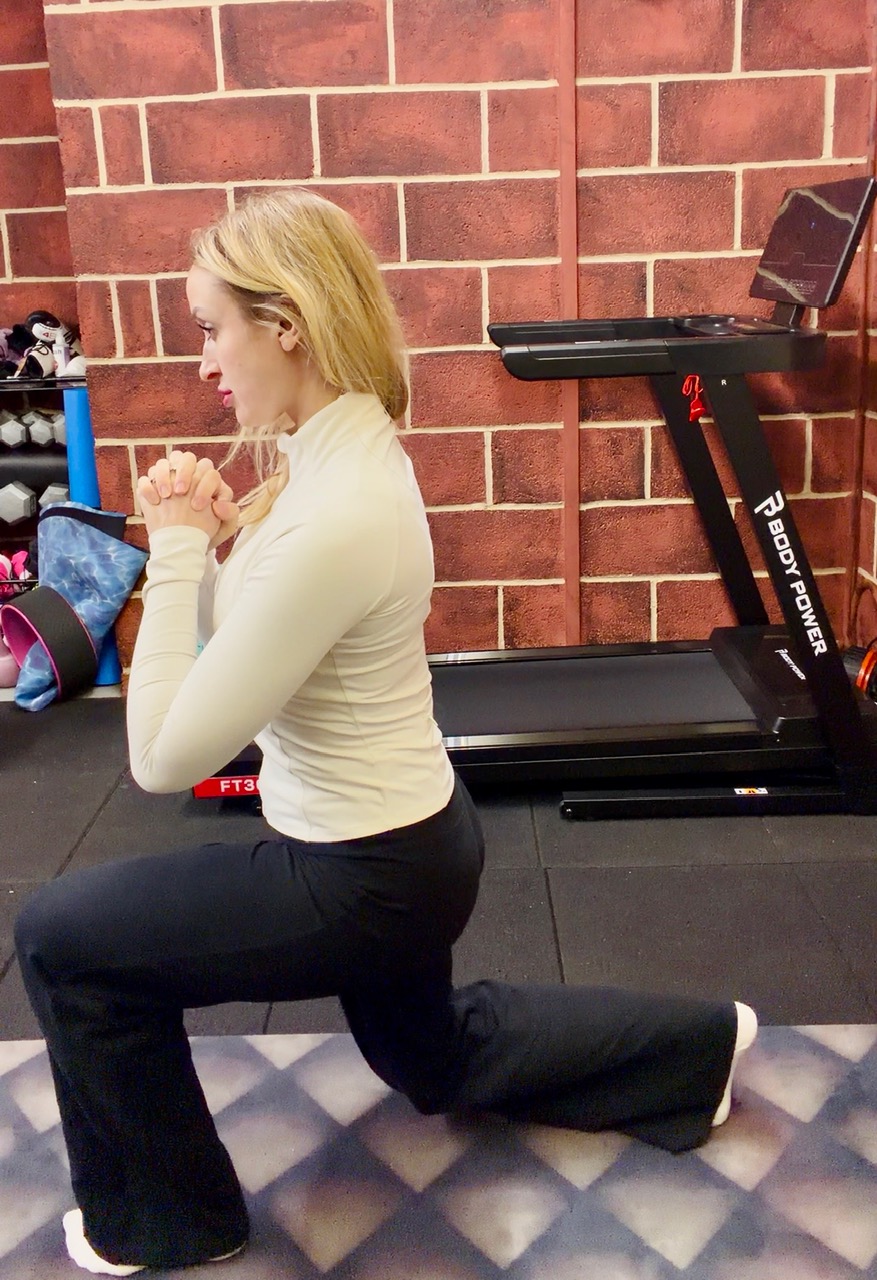
Step-ups or slow controlled lunges challenge balance and coordination.
How Often and How Hard
Two to four sessions per week is sufficient for most women. Intensity should feel challenging but controlled. If you lose form, reduce the load or go back to an easier version.
Summary
Functional training is not anti-strength or anti-performance. It prioritises longevity, wellgevity, confidence and capability in a safe and effective way.
This approach respects the body you have now and invests in the body you want for the decades ahead. Strength is not just about lifting weight. It is about staying capable, adaptable and independent for as long as possible.