March 22, 2026
If Your Core Still Doesn't Feel Right, Years After Having a Baby, This Is for You
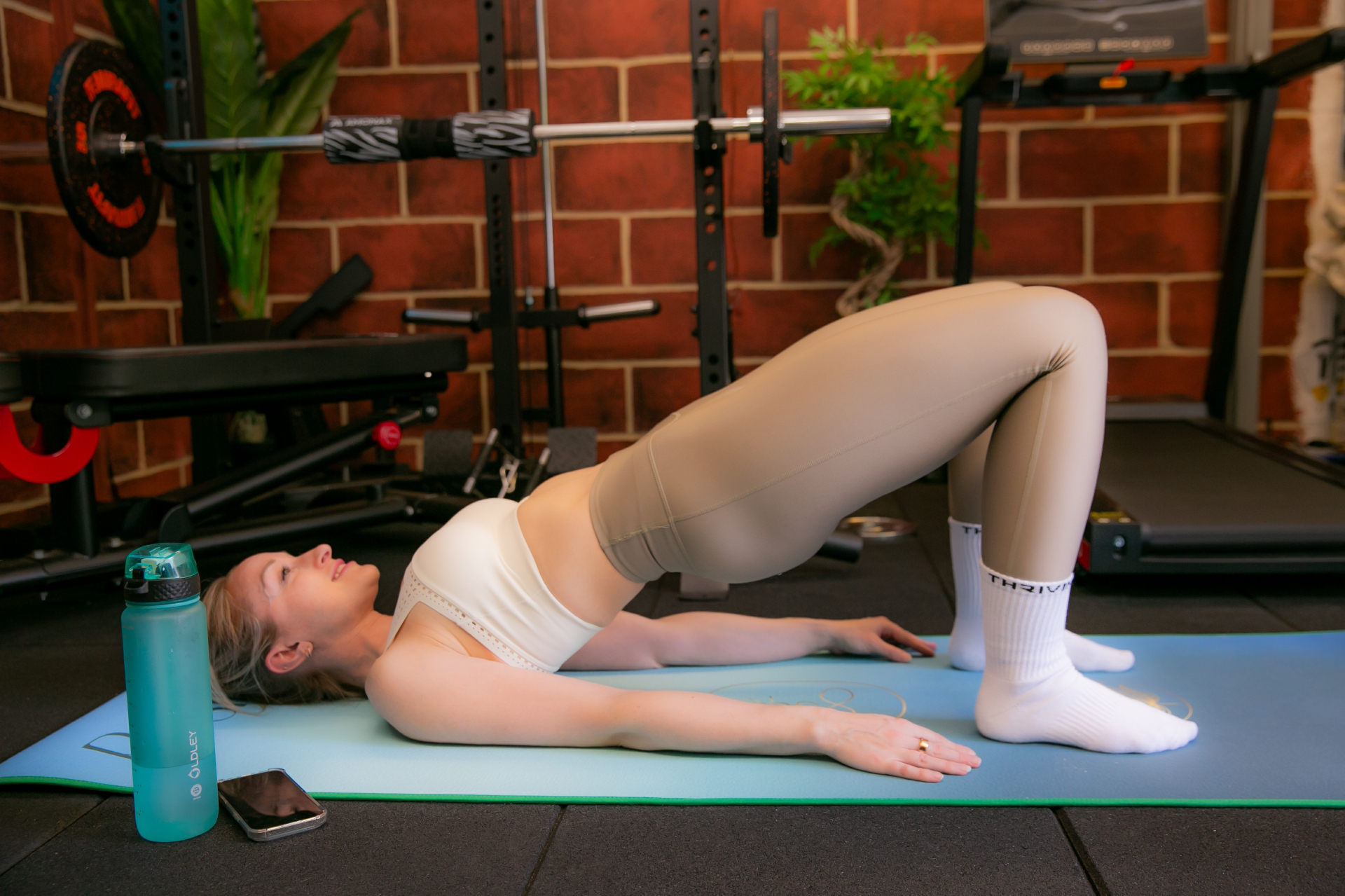
If you've had a baby and your stomach still doesn't feel 'right'... this is for you.
Not just the early days after birth. I'm talking years later.
The Frustration I See Most Often
One of the most common things I see in the mothers I work with is this: you've worked hard to 'get your body back'. You've lost the 'baby weight'. You've done the classes. You've tried to strengthen your core, but your stomach still looks or feels different.
Your core feels weak or disconnected. Maybe your back aches. Maybe there are pelvic floor symptoms you've just accepted as normal. And no one's really explained why.
The Missing Piece
A lot of the time, it comes back to diastasis recti, put simply, separation of the abs, that's never been properly addressed. It's not just a gap. It's how your core actually functions.
Diastasis recti is the separation of the linea alba, the connective tissue that runs down the centre of your abdomen, that occurs during pregnancy as your belly expands to accommodate your growing baby. For some women, this gap closes naturally in the months after birth. For many others, it doesn't. And without targeted intervention, it can persist for years, even decades.
What makes this particularly frustrating is that the gap itself is only part of the story. The real issue is how your core functions as a system. The deep core muscles, the transverse abdominis, the pelvic floor, the diaphragm, and the multifidus, are meant to work together as a cohesive unit. When the connective tissue is compromised, that entire system struggles to fire and support you properly.
Why It Persists
So you've been putting the effort in, but perhaps not in a way that your body actually needed. And that is not your fault. Most fitness classes, online workouts, and even some personal training sessions do not account for diastasis recti. They focus on crunches, planks, and high intensity core work that can actually make the separation worse.
Crunches create intra-abdominal pressure that pushes outward through the gap. Front planks load the rectus abdominis without engaging the deeper stabilising muscles first. Burpees, sit-ups, and traditional ab circuits all place stress on a linea alba that is not ready to handle it.
Meanwhile, breathing patterns change during pregnancy and often never return to their optimal state. Many women develop a tendency to breathe shallowly into their chest, or to brace and hold their breath during effort, which further disrupts core pressure management. Without relearning how to breathe properly, the core cannot fully activate or support you.
What you've been doing vs what you need
Crunches, sit-ups, and front planks work the outer abdominal layer, the six-pack muscle, without reconnecting the deep core first. For a diastasis, this is like painting a cracked wall without repairing the structure underneath. What you need is to rebuild the foundation: breath, deep core activation, stability, and only then, progressive strength.
What Actually Helps
The approach that works is fundamentally different from what most people have tried. We focus on core stability before we even start to move onto core strength.
- Learning how to breathe properly again. Diaphragmatic breathing that creates gentle, controlled pressure through the core rather than forcing it outward.
- Reconnecting your deep core. Learning to feel and activate the transverse abdominis, the deep corset muscle that wraps around your midsection and provides true stability.
- Anti-rotation work and stabilisation exercises. Pallof presses, dead bugs, bird dogs. Movements that teach your core to resist movement rather than create it.
- Gradual loading. Building strength slowly and intentionally, with constant attention to form, pressure management, and how your body responds.
This approach takes patience. It is not glamorous. There are no before and after photos that go viral from breathing drills and slow, controlled dead bugs. But it works. I have seen women who have lived with a separated core for five, ten, even fifteen years make genuine, lasting progress once they start addressing the root cause.
The body is adaptable
Given the right stimulus, the right support, and enough time, connective tissue can improve. Muscles can learn to fire again. Core pressure can be managed. But it requires a shift in approach, from chasing aesthetic results to rebuilding function from the inside out.
It Is Not Too Late
And it is not something you've 'left too late'. I hear this constantly. Women who believe that because they are three, five, or ten years postpartum, there is no point addressing their core anymore. That is simply not true.
If something still doesn't feel right, there is usually a reason. Your body is not broken. It has not failed you. It has simply been waiting for the right kind of support.
You Deserve to Understand Your Body
You deserve to understand what is going on in your body. You deserve to know why your core feels weak, why your back aches, why certain exercises feel wrong. You deserve guidance that meets you where you are, not a generic workout plan that ignores the very real structural changes pregnancy created.
Working with a postnatal-qualified trainer or pelvic floor specialist can help you identify whether you have diastasis recti, assess how your core is functioning, and build a programme that actually addresses what your body needs. It is not about doing more. It is about doing what works.
Summary
Years after having a baby, many women still struggle with a core that feels weak, disconnected, or wrong. Often, the underlying cause is diastasis recti that has never been properly addressed. It is not just a gap in the abdominal muscles; it is a breakdown in how the entire core system functions. The solution is not more crunches or high intensity workouts. It is a targeted approach that rebuilds the foundation through proper breathing, deep core reconnection, anti-rotation stability work, and gradual loading. It takes patience, but it works. And it is never too late to start.