May 10, 2026
Cardio Not Working for You Anymore?
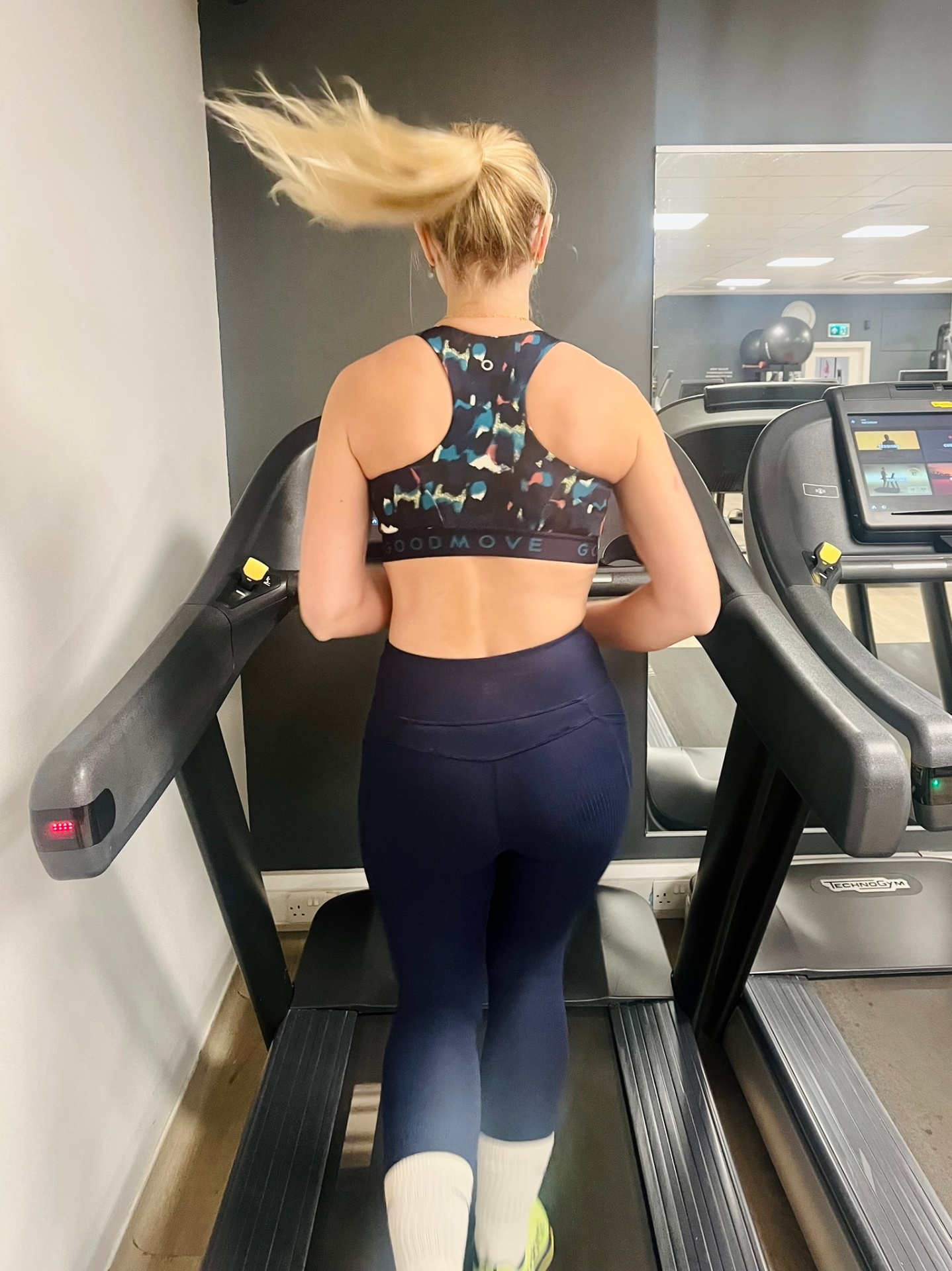
Cardio not working for you anymore?
You've been doing cardio for years because it worked in your 20s and 30s. You could run, cycle, or take endless classes and your body bounced back. But now, towards your late 30s and 40s, it's different. You clock the same mileage, put in the same effort, but somehow you feel drained, your joints ache, and the results aren't the same. It's frustrating, confusing, and makes you wonder if your body is betraying you.
I hear this all the time. Women who used to run half marathons without thinking twice, who lived in spin classes, who chased the calorie burn because it felt productive and predictable. And now, the same routine that once made them feel energised leaves them exhausted. The knees hurt. The hips nag. The waistline doesn't shift. The sleep doesn't recover them. They keep going, because stopping feels like giving up, but the body isn't responding the way it used to.
The truth is, more cardio doesn't fix everything in midlife. Your hormones, recovery, and stress levels have changed, and your body that once thrived on high volume endurance work now responds differently. It's not that cardio is bad. It's not that you've done something wrong. It's that the context has shifted, and the approach needs to shift with it.
In your 20s and early 30s, oestrogen is relatively stable and generous. It supports muscle maintenance, joint health, recovery speed, and insulin sensitivity. Your body can handle repeated stress, bounce back quickly, and adapt to high volumes of endurance work without much downstream cost. That's not a flaw in your current body. That's just biology at a different life stage.
As you move through your late 30s and into perimenopause, oestrogen begins to fluctuate and gradually decline. Testosterone, which supports muscle mass and recovery, also drops. Cortisol, your stress hormone, becomes more easily triggered and slower to settle. Sleep often becomes lighter and more interrupted. Inflammation takes longer to resolve. Your body is still adaptable, but it adapts differently now. It needs different signals.
Doing more of what worked before, long runs, class after class, strict calorie restriction, can leave you tired, frustrated, and stuck in the same patterns. The body isn't failing. It's sending feedback that the approach isn't right anymore. And that feedback is actually useful, if you learn to listen to it instead of overriding it.
Strength work, intentional movement, and nutrition that supports adaptation matter far more than loads of cardio in this phase of life. That can be hard to hear if you've built your identity around being a runner, a cyclist, someone who can outlast everyone in a class. But identity isn't physiology. And shifting your training isn't a downgrade. It's an evolution.
Resistance training protects bones, maintains muscle mass, supports joint stability, and improves insulin sensitivity, all of which shift as oestrogen fluctuates and recovery slows. Muscle is metabolically active tissue. The more you have, the better your body handles blood sugar, manages weight, supports posture, and recovers from daily life. When oestrogen drops, muscle becomes harder to keep and easier to lose. Strength training is the direct counter to that.
It also changes how your joints feel. Cardio, especially high impact cardio, loads the same tissues repeatedly in the same patterns. Strength training distributes load differently, builds the muscles that stabilise knees and hips, and creates resilience in the connective tissues that cardio alone often neglects. Many women find that when they add consistent strength work, the niggles that plagued their runs start to quiet down.
Cardio is still important. I'm not dismissing it. It keeps your heart and lungs healthy, supports circulation, boosts mood, and offers a mental release that many women deeply value. But without the foundation of strength and proper recovery, it often becomes a stressor rather than a solution. More miles on an under-recovered, under-muscled body doesn't create fitness. It creates fatigue.
Often your approach just needs a shift, to do the right things in the right way so your body can respond effectively. That means lifting heavier than you think you should. Not bodyweight endlessly. Not tiny dumbbells for fifty reps. Actual progressive resistance that challenges your muscles and signals to your body that it needs to keep and build tissue. Two to three sessions a week is enough. Consistency beats intensity every time.
It means prioritising protein and sleep. Protein supports muscle repair and satiety. Most women I work with are eating far less than they need, especially at breakfast and lunch. Aim for a solid source at every meal. And sleep is where adaptation actually happens. Training breaks tissue down. Recovery builds it back stronger. If you're sleeping poorly, you're not recovering well, and no amount of training can outpace that.
It means tracking progress in ways that are meaningful beyond the scale or mirror. How do your clothes fit? How do your joints feel? How's your energy at 3pm? How's your sleep quality? How much can you lift now compared to three months ago? These are the metrics that reflect real change in midlife. The scale is often the least useful one.
It also means being honest about stress. Chronic stress elevates cortisol, which promotes fat storage around the midsection, disrupts sleep, increases cravings, and slows recovery. If your life is full of demands, and your training is adding to that load rather than supporting your resilience, something needs to give. Sometimes that means fewer sessions. Sometimes it means gentler sessions. Sometimes it means walking instead of running. The goal is to leave the gym feeling better, not more depleted.
Your late 30s, 40s and 50s don't have to be about fatigue, frustration, or feeling like you're constantly chasing results. They can be about understanding your body's new rules, training smarter, moving with intent, and building strength that lasts. You don't need to work harder. You need to work differently.
More cardio won't fix everything, but intelligent, targeted effort will make changes for years to come. The body you have now is still capable. It's still responsive. It's still yours. It just needs a different conversation than the one you had in your twenties. And when you learn to have that conversation, the results come. Not overnight. Not dramatically. But steadily, sustainably, and in a way that actually feels good.
If this sounds familiar, you're not broken. You're just ready for a different approach. And that's exactly what I'm here for.