April 12, 2026
What Body Positivity Actually Means
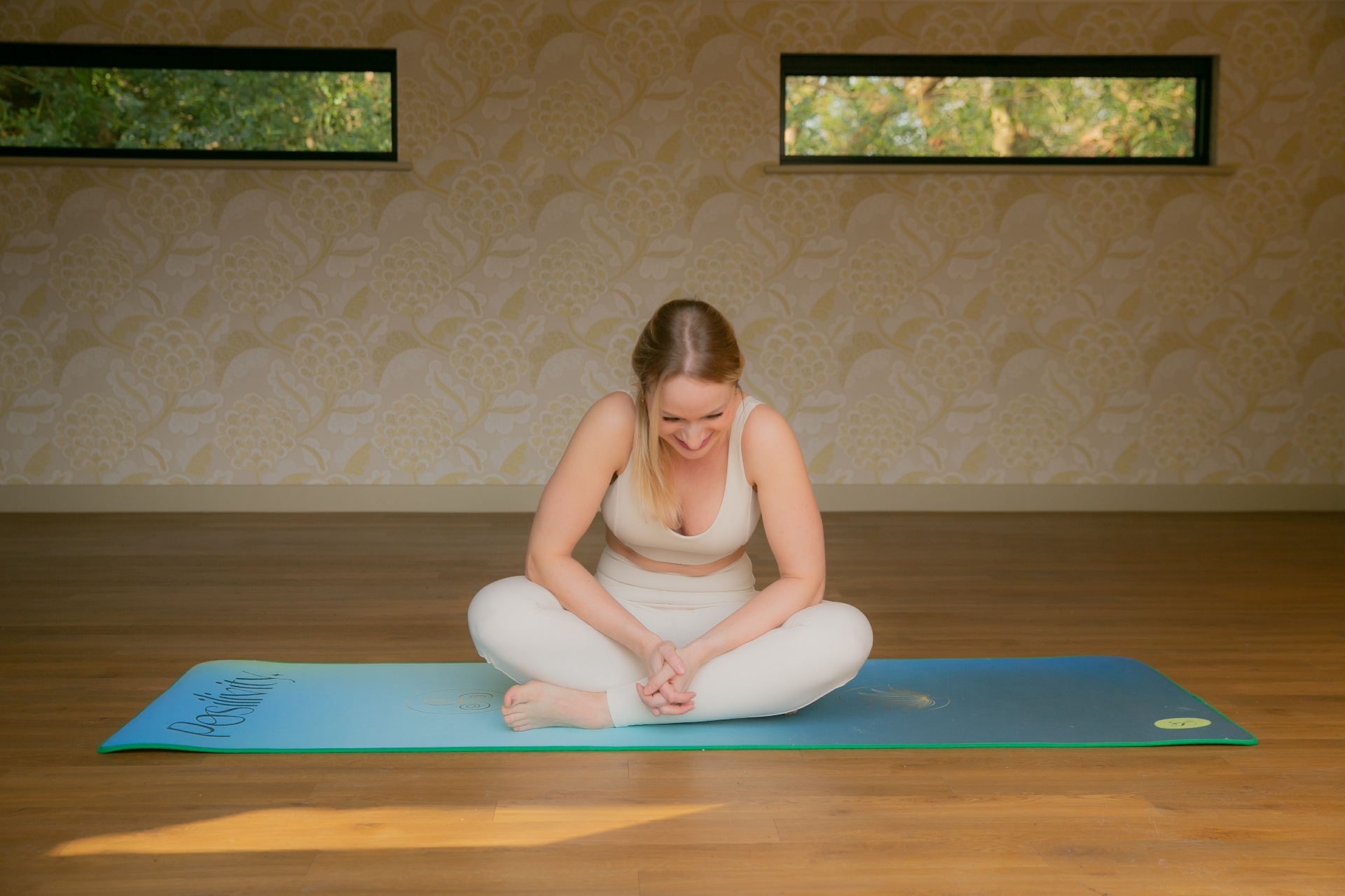
What does body positivity mean to you?
It's a phrase still trending, but often defined differently. For some, it's about confidence. For others, it's about acceptance. For many, it's still tied to how they look.
For me, at Posilivity, it means something slightly different.
It's not about pretending you love your body every day. Most people don't, and setting that as the standard just creates another way to feel like you're failing. The expectation that you should wake up adoring every curve, every line, every change is not only unrealistic, it's exhausting. And it misses the point entirely.
Body positivity, as I see it, is about developing a level of self-awareness that helps you understand what your body actually needs, not what you think it should look like. It's about noticing your energy, your hunger, your stress levels, your recovery. Paying attention instead of pushing through or ignoring it. Reading the signals your body sends, even when they are subtle, even when they are inconvenient.
Because your body is talking to you all the time. The afternoon slump that has become normal. The bloating after certain meals. The way your joints feel when the weather changes. The sleep that feels thin and unrefreshing no matter how many hours you spend in bed. These are not random annoyances. They are information. And the more you learn to read them, the better equipped you are to respond.
From there, it becomes about self-care in the truest sense. Not the bubble bath and candle version, lovely as that can be, but the daily decisions that actually support your health. Training in a way that builds strength and resilience, not just burns calories. Eating in a way that fuels you properly, not just follows the latest trend. Resting when your body is asking for it, even when your to-do list disagrees. Saying no when you need to. Saying yes to support when it's available.
And alongside that, a level of gratitude for what your body does for you, even if you don't love how it looks. It carries you through long days, adapts to stress, recovers, keeps going. For some, it has carried you through illness, surgery, motherhood, grief, exhaustion, and come out the other side still functioning. That is worth acknowledging. Not because your body needs a pat on the back, but because you need to remember that it is on your side, even when you are frustrated with it.
I think about this often with the women I work with. They come to me wanting to change how they look, and that is valid. We all have aesthetic goals, and there is nothing wrong with wanting to feel good in your clothes or confident in a photograph. But what I notice is that the ones who make the most lasting, meaningful progress are the ones who shift their focus from appearance to function. The ones who stop asking "how do I look?" and start asking "how do I feel?"
Because how you feel is where the real change happens. When you start sleeping better, your mood shifts. When your digestion improves, your energy lifts. When your strength builds, your confidence grows in ways that have nothing to do with the size of your jeans. These internal shifts are the ones that stick. They don't depend on lighting, angles, or whether you ate carbs at lunch.
Body positivity, in practice, is less about how you feel about your body and more about how you treat it consistently. It is the choice to eat protein at breakfast because you know your energy crashes by ten am without it. It is the decision to go to bed earlier because you have learned that sleep deprivation turns you into someone you don't like. It is the commitment to strength training because you have felt what it is like to be genuinely strong, not just thin, and you know which one serves you better.
It is also about honesty. About admitting when something is not working, even if it is hard to face. About acknowledging that the diet you have been following for years is actually making you feel worse, not better. About recognising that the exercise you force yourself through is creating injury and resentment, not health and joy. About being brave enough to try a different approach, even when the old one feels familiar.
And it is about patience. Real body positivity does not happen overnight. It is built slowly, through repeated small acts of listening and responding. Through trial and error. Through learning what works for your unique body, not what worked for someone else on the internet. Through forgiving yourself when you get it wrong and starting again the next day.
I am not interested in the version of body positivity that asks you to perform constant self-love. That is another pressure, another standard, another thing to feel inadequate about. I am interested in the version that asks you to be honest, to be curious, to be consistent. The version that says: you do not have to adore your body every single day, but you do have to live in it. So you might as well learn how it works, what it needs, and how to support it properly.
If you had to define body positivity for yourself, would it be about appearance, or about how your body functions and feels day to day?
For me, the answer is clear. True body positivity is functional. It is respectful. It is grown-up. It recognises that your body is not an ornament to be admired or criticised. It is a living system that carries you through your entire life. And the relationship you build with it, the care you give it, the attention you pay to its signals, that is what determines your quality of life far more than any number on a scale or any reflection in a mirror.
You do not need to love your body every day. You just need to be willing to listen to it, learn from it, and look after it. That is enough. That is everything.