May 31, 2026
Beans: The Unsung Hero of Midlife Nutrition
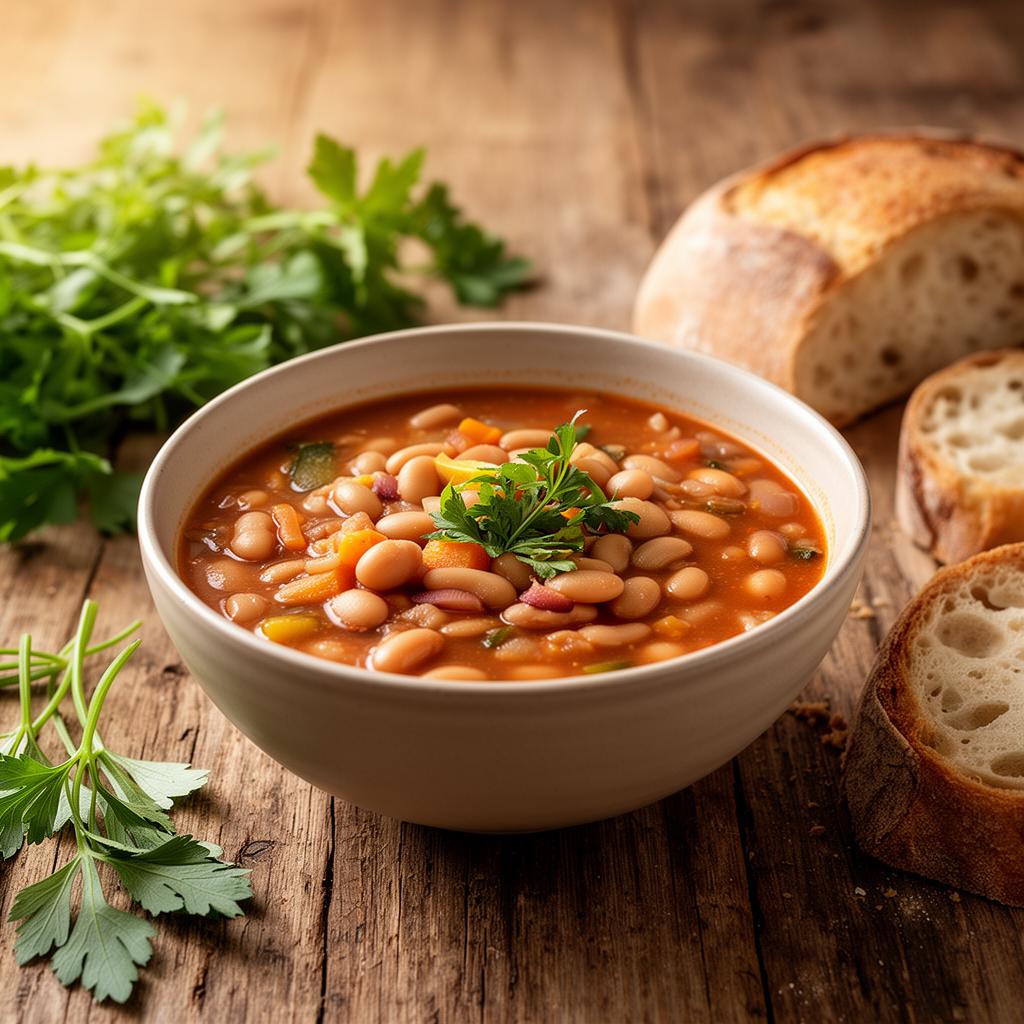
Beans, beans, good for your heart, the more you eat the more you fart!
Remember that? This was a frequent saying in my house growing up and I cracked it out with my kids the other day, which they thought was hilarious. Obviously.
But seriously, beans are having their moment right now. And rightly so. And not just because they are trendy, cheap, or 'plant-based'.
They matter because midlife bodies benefit from food that steadies blood sugar, feeds the gut, and supports muscle. In your 30s, 40s and beyond, the foods that quietly keep things working in the background become far more important than the ones that look good on a plate.
Fibre: the nutrient most women under-eat
Beans are rich in fibre, which most women in the UK are under-eating. The British Nutrition Foundation reports that average fibre intake sits at around 19g per day, well below the recommended 30g. That gap matters more in midlife than you might think.
Fibre helps with digestion, cholesterol management, and appetite regulation. It feeds the good bacteria in your gut, which in turn supports immunity, mood stability, and even hormone balance. When oestrogen fluctuates during perimenopause, a well-fed gut becomes one of your body's best allies.
Plant protein that supports muscle
Beans contain plant protein that supports muscle maintenance alongside strength training. They are not a complete protein on their own, but paired with wholegrains like brown rice, quinoa, or wholemeal bread, they provide all the essential amino acids your body needs.
The British Nutrition Foundation notes that protein needs increase with age, and most UK women over 40 fall short. A tin of beans adds roughly 15g of protein to a meal without any fuss, expense, or complicated prep. That matters when life is busy and you still need to support lean muscle, bone health, and recovery.
Slow-release energy without the crash
Beans provide slow-release carbohydrates that do not spike energy and crash it an hour later. Their low glycaemic index means glucose enters the bloodstream gradually, keeping blood sugar steadier and reducing the rollercoaster of cravings, irritability, and afternoon slumps.
In midlife, insulin sensitivity naturally shifts as oestrogen declines. The 2024 NHS Health Survey for England found nearly half of women had raised cholesterol, peaking at 72% in those aged 55 to 64. Foods that support stable blood sugar and healthy cholesterol profiles are not optional extras at this stage. They are foundational.
You do not need to overhaul your diet
And no, you do not need to eat enormous bowls of them or swap everything out. Adding half a tin or jar to a salad, soup, or stew a few times a week is enough to make a real difference.
Beans are one of the most versatile ingredients in a midlife kitchen. Chuck them into a tomato sauce with garlic and herbs. Blend them into a dip with lemon and olive oil. Add them to a tray bake with roasted vegetables. Stir them through a grain bowl with whatever greens you have. There is no single right way. The right way is the one you will actually do.
What about the gas?
And if beans do make you feel gassy, that is not a reason to avoid them forever. It is probably that your gut is not used to fibre yet. Go slowly. Rinse them well. Let your system adapt.
Start with smaller portions. Choose lentils or chickpeas, which tend to be gentler. Rinse tinned beans thoroughly under cold water to remove excess oligosaccharides. Cook dried beans with kombu or a strip of nori, which helps break down the compounds that cause bloating. Your digestive system is adaptable. It just needs time.
Recipe: Smoky Three-Bean Lunch Bowl
A simple, nourishing vegan lunch that takes ten minutes and uses ingredients you probably already have.
Ingredients (serves 1)
- Half a tin of black beans, drained and rinsed
- Half a tin of chickpeas, drained and rinsed
- Half a tin of cannellini beans, drained and rinsed
- 1 tablespoon olive oil
- 1 clove garlic, crushed
- 1 teaspoon smoked paprika
- Half a teaspoon ground cumin
- Juice of half a lemon
- Handful of fresh spinach or rocket
- Salt and pepper to taste
Method
- Warm the olive oil in a pan over medium heat. Add the garlic and cook for one minute until fragrant.
- Add all three beans, the smoked paprika, and cumin. Stir well and heat through for three to four minutes.
- Remove from heat and stir in the lemon juice. Season with salt and pepper.
- Serve over the fresh greens. Add a slice of wholemeal bread or a scoop of brown rice if you want it more filling.
This bowl delivers roughly 20g of protein, 15g of fibre, and a steady release of energy that will carry you through the afternoon without the crash.
The foods that quietly keep you well
The most useful foods are not glam. They are the ones that keep things working in the background while you get on with your life. Beans will never make headlines like the latest superfood powder or restrictive diet trend. But they have been nourishing humans for thousands of years, and there is a reason for that.
In midlife, when your body is navigating hormonal shifts, changing metabolism, and the demands of a full life, the quiet staples matter more than ever. Beans support blood sugar stability, gut health, muscle maintenance, and satiety. They are cheap, accessible, versatile, and genuinely good for your heart.
So yes, eat your beans. Your gut, your muscles, your energy levels, and probably your future self will thank you. Just maybe open a window.
Summary
Beans are a practical, affordable staple that supports midlife health in multiple ways: fibre for digestion and cholesterol, plant protein for muscle, and slow-release carbohydrates for steady energy. Most UK women under-eat fibre and protein, and beans address both without fuss. Start slowly if digestion needs time to adapt, then enjoy them regularly as part of a varied, nourishing diet.
This article is for general information and is not medical advice. If you have specific dietary concerns or digestive conditions, please speak to your GP or a registered dietitian.