January 11, 2026
Alcohol and Midlife: How Drinking Impacts Your Health
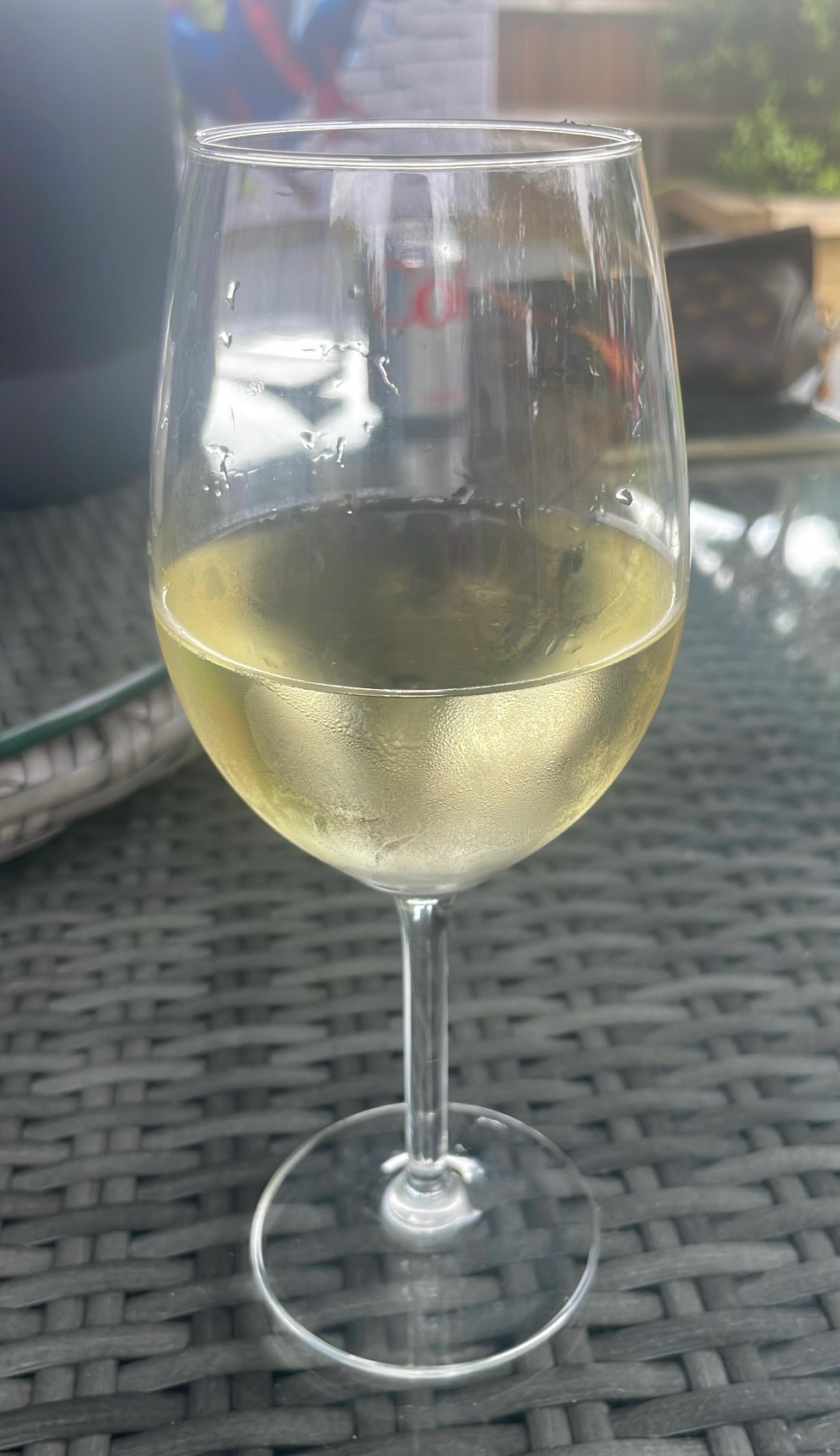
For many women in their 30s, 40s and beyond, alcohol is part of social life and winding down, but its effects on the body change as we age.
Hormonal shifts during perimenopause and menopause increase alcohol's impact, affecting metabolism, sleep and overall wellbeing. Understanding the hidden costs of drinking are key to making informed choices.
Alcohol and Your Body
As oestrogen and progesterone fluctuate in your 30s and 40s, alcohol can:
- Increase fat storage, particularly around the middle!
- Reduce sleep quality, leaving you fatigued and sluggish
- Slow down muscle recovery after exercise
- Affect mood and amplify stress or anxiety
Even moderate drinking can feel harder to recover from than it did in your 20s. Alcohol calories are prioritised for metabolism meaning fat burning is paused.
Hangovers and Recovery
Midlife hangovers can be more intense due to:
- Slower alcohol metabolism
- Lower water content in the body, leading to dehydration
- Impact on blood sugar regulation, making you feel weak or irritable
Tips to reduce hangovers
- Stay hydrated, drink a glass of water between alcoholic drinks
- Eat protein and fibre before drinking to slow alcohol absorption
- Stick to lighter drinks with fewer congeners (e.g. white wine over dark spirits)
Hidden Calories in Alcohol
Alcohol is calorie-dense; 7kcal per gram, second only to fat. Some examples:
- Half a bottle of wine: 250kcal
- 3 double spirits: 250-300kcal
- Pint of beer: 200kcal
- Gin and tonic: 170-200kcal
Mixers matter too. Tonic, coke and fruit juices can easily add another 60-100kcal per drink.
For many women, a bottle of wine can quietly equal an entire main meal. I've worked with women who see themselves as 'social drinkers' where their weekly alcohol calorie-intake added up to a whole extra day per week of calories!
How to Reduce Alcohol Intake Without Feeling Deprived
- Ask "Is this drink worth what it costs me tomorrow?"
- Set limits e.g. 2-3 drinks per week
- Alternate with water
- Try non-alcoholic alternatives to honour the rituals around drinking – there are some really good quality ones out there now!
- Choose lower-calorie options like wine spritzers, lighter beers
- Mindful drinking; notice triggers and address these with alternatives
Benefits of Reducing Alcohol
- Improved sleep quality and energy levels
- Support weight management
- Reduce menopause-related symptoms, such as hot flashes or night sweats
- Improve mental clarity and mood
- Help muscle recovery and fitness progress
Summary
For women in their 30s and 40s, alcohol doesn't have to disappear completely, but understanding the hidden calories, impact on hormones and recovery effects can empower you to drink smarter. By adopting mindful habits and balancing your intake, you can enjoy social life without compromising energy, wellbeing, or fitness goals.